


Following the archaeological findings of Hindu relics on the premises of the Gyanvapi mosque and Vishwa Hindu Parishad’s (VHP) demand for handing the site over to the majority community, legal representatives of the Hindu side have begun preparations for approaching the Supreme Court to order yet another survey. They want this scientific study of the Gyanvapi mosque in Varanasi by the Archaeological Survey of India (ASI) to focus solely on the wuzukhanah (water body for Islamic ablution) and the ground beneath the central dome.
The Hindu side is going to propose excavating a trench to explore the underground areas beneath the dome, as the ASI radars in the previous survey failed to yield tangible results during last year’s survey. “As ASI’s survey has made it clear that the existing structure at Gyanvapi is standing atop a grand Hindu temple, we will now move a plea before Supreme Court on Monday to seek a comprehensive survey of the wuzukhanah,” advocate Vishnu Shankar Jain said on Saturday.
Jain represents four Hindu women plaintiffs in Rakhi Singh and others vs UP state and others, which is suit 18/2022. They seek permission to worship Goddess Shringar Gauri and other deities on the Gyanvapi compound.
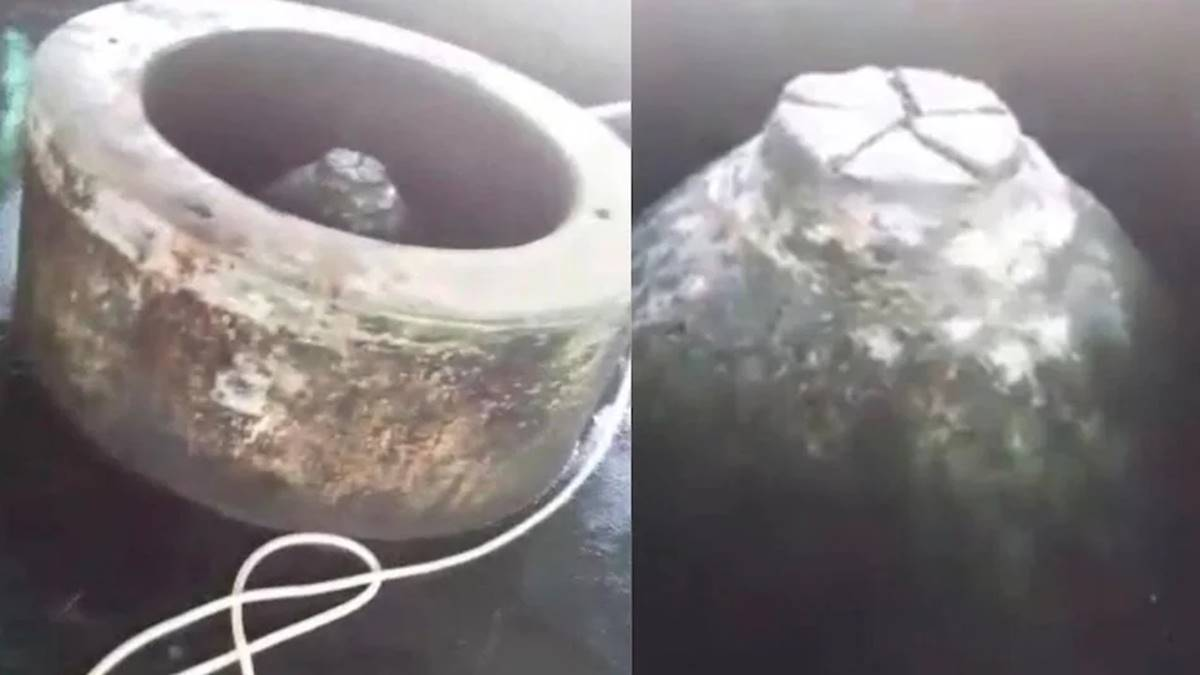
The wuzukhanah was sealed on 16 May 2022, following the discovery during a court-ordered survey of a structure that resembled a Linga, which the Muslim side claimed was a mere fountainhead. Notwithstanding a district judge’s order on 21 July 2023, allowing an ASI survey of the mosque, the sealed area of the wuzukhanah was excluded.
The Supreme Court had mandated maintaining the status quo of the pond. Before the ASI could complete its survey, plaintiff Rakhi Singh moved an application on 29 August 2023, demanding a survey of the wuzukhanah. But the district judge dismissed the plea on 21 October last year. The challenge against the dismissal remains pending in Allahabad High Court.
Meanwhile, contesting original suit 610/1991 as the next friend of Lord Vishweshwara, Advocate Vijay Shankar Rastogi emphasised the necessity for an underground investigation through trench excavation. He said that the ASI’s previous scientific exploration had failed to provide tangible findings about the garbhagriha of the ancient temple beneath the mosque’s central dome.
Curiously, while there is a consensus among historians that Mughal king Aurangzeb had ordered a partial demolition of the Kashi Vishwanath temple and construction of the Gyanvapi mosque on the debris, leaving a wall of the temple intact, a settlement of the issue involved archaeological surveys when the matter reached a court of law.

